Diabetes and high blood pressure can remain unnoticed for a long time, yet both can raise the risk of serious complications. People often search for lifestyle or Ayurvedic support because they want a sustainable routine. The safest starting point is to combine daily habits with regular clinical monitoring and prescribed treatment, not to choose between them.
Why routine matters: Type 2 diabetes is influenced by several factors, including genetics, body weight, diet, activity and other health conditions. High blood pressure is also influenced by family history, age, activity, body weight, sodium intake, tobacco and other factors. A person may feel completely well despite elevated readings, so symptoms alone are not a reliable guide. Regular measurements and follow-up are essential.
Food habits that are easier to sustain: Aim for regular, balanced meals that include vegetables, appropriate portions of protein, high-fibre foods and minimally processed options. Reduce excess salt and frequent high-sugar drinks. There is no single “diabetes diet” that suits everybody; portions, medicines, kidney function, food preferences and other conditions matter. If you use insulin or glucose-lowering medicine, ask your clinician how to handle exercise and changes in meal timing to reduce the risk of low blood sugar.
Movement, sleep and tobacco: Start with activity that fits your health and ability, then build consistency. Walking, cycling, household activity and strength work can all count. Break up long sitting periods and ask for tailored advice if you have foot problems, heart disease, severe pain, or other limitations. Keep a regular sleep schedule, work on stress management, and seek help to stop tobacco use. These habits support health but do not guarantee that medication will no longer be needed.
Monitoring and medicines: Keep a record of blood pressure and glucose readings if your care team recommends it. Bring the record to appointments and ask what ranges should trigger a call. Take prescribed medicines as directed; do not reduce or stop them because a reading improves or because you begin a traditional therapy. Seek urgent care for severe symptoms such as chest pain, difficulty breathing, confusion, sudden weakness, or very high blood pressure with concerning symptoms.
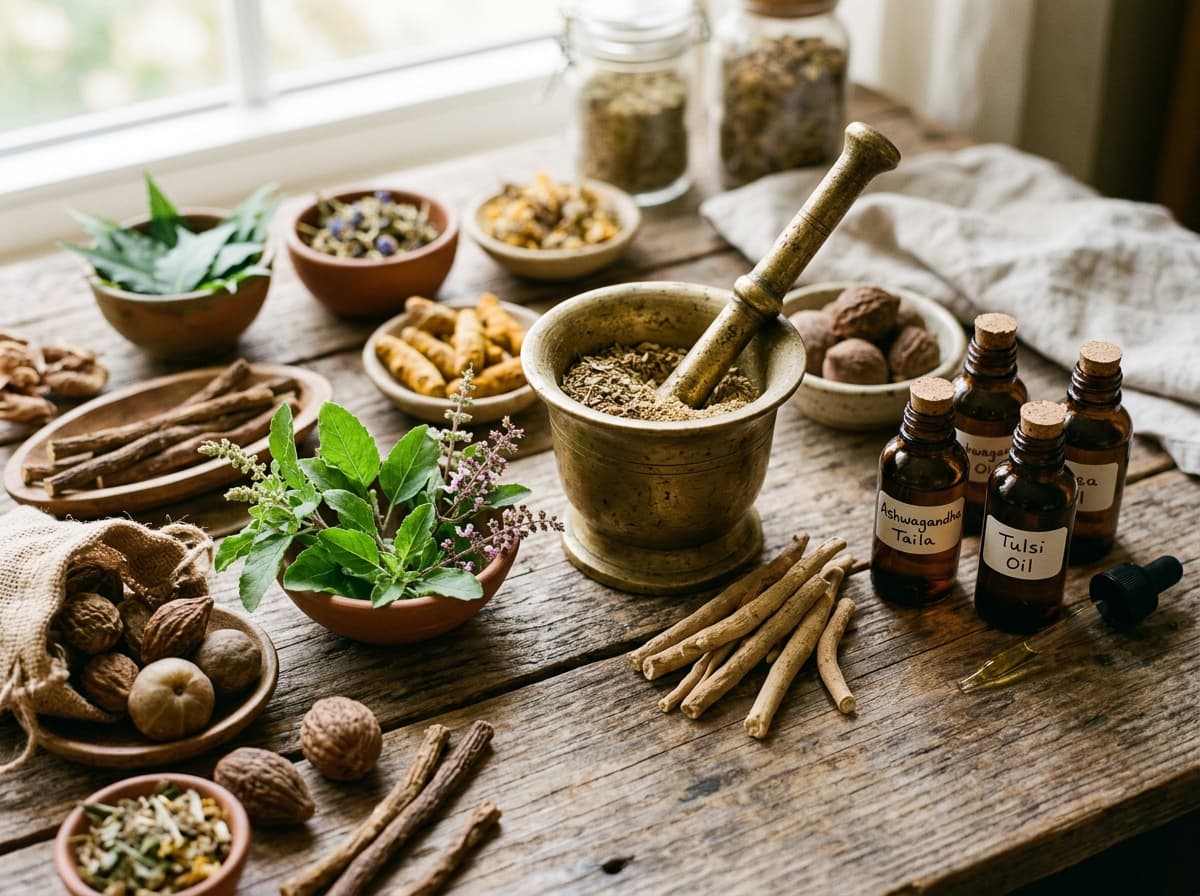
Can Ayurveda be part of the plan? Some people use Ayurveda for dietary guidance, relaxation or supportive care. Evidence differs by intervention, and some preparations can interact with medication or contain harmful substances. “Natural” products can still cause harm. Tell every clinician about herbs, supplements and therapies you use. A trustworthy practitioner will not promise a cure for diabetes or hypertension, advise stopping tablets without medical oversight, or replace essential checks.
Conclusion: Long-term condition management is built through repeatable habits, monitoring and appropriate medical care. If you are exploring a supportive wellness plan in Pilani, agree on clear goals with your care team, keep taking prescribed treatment, and review progress with measurable indicators such as readings, activity, sleep and follow-up results.
Frequently Asked Questions
Can diabetes be cured by Panchakarma?
Do not rely on cure claims. Diabetes management requires appropriate monitoring and evidence-based treatment; discuss complementary care with your clinician.
Can I stop BP tablets if my readings improve?
No. Only the prescribing clinician should guide any medication change.
What is the best diet for diabetes?
It depends on your health, medicines, preferences and goals. A clinician or dietitian can help individualize it.
Can herbal products interact with medicines?
Yes. Tell your clinician about all herbs and supplements before using them.
Why monitor BP if I feel fine?
High blood pressure often has no symptoms, so measurement is needed to detect and manage it.